


EU proposal on steel overcapacity regulation: What it means for importers and traders.
- Thu, October 30, 2025
- 2.5 Minuten Lesezeit
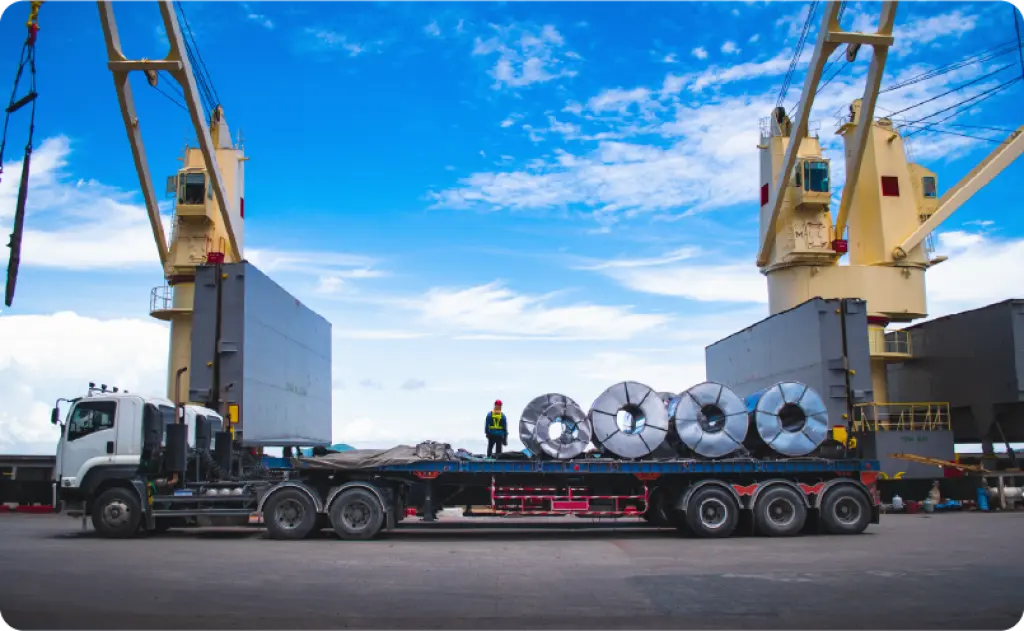
A strategic shift in EU trade defence policy
On 7 October 2025, the European Commission unveiled proposal COM(2025)726 final, setting out a new regulatory framework to address the challenge of global steel overcapacity. The measure aims to safeguard the EU steel industry – a sector employing nearly 300,000 people and central to Europe’s green and defence transitions – from the effects of cheap, subsidised imports. It will replace Implementing Regulation (EU) 2019/159, the current safeguard mechanism due to expire in June 2026.
The proposal reflects a wider policy shift within EU trade strategy: protecting strategic industries while maintaining fair, rules-based trade. For importers, logistics providers and customs professionals, this means new compliance requirements and tighter monitoring of import flows.
Regulatory clarity: How the new system works
At the heart of the proposal lies a Tariff Rate Quota (TRQ) system, which applies at EU level. Up to 18.3 million tonnes of steel can be imported into the EU duty-free each year, reflecting import levels from before the surge in global overcapacity (pre-2013). Once the EU-wide quota is fully used, a 50% customs duty applies to all additional imports – with no exceptions once the limit is reached.
The regulation covers 28 steel product categories, including hot-rolled sheets, cold-rolled coils and seamless tubes. Quotas will be managed on a quarterly basis by the European Commission in cooperation with member states – a structure designed to provide predictability while avoiding market distortions.
A key compliance innovation is the ‘Melt and Pour’ clause, requiring importers to document where the steel was originally melted and cast. This clause enhances traceability of origin, reducing the risk of circumvention through third countries. Imports from Norway, Iceland and Liechtenstein are exempt.
Economically, the EU aims to restore a capacity utilisation rate of 80–85 %, stabilise prices, and support investment in low-carbon steel production. The measure therefore aligns with broader EU goals of industrial resilience and decarbonisation.
Business-impact: What this means for traders and importers
For trade operators, the proposed regulation introduces new customs and documentation obligations that will directly affect import planning and compliance strategy.
Businesses will need to:
- Monitor quota availability in real time to avoid exceeding the TRQ threshold.
- Ensure all Melt and Pour documentation accurately identifies the true origin of the steel.
- Update internal customs management systems to handle quarterly quota allocations and high-duty scenarios.
For importers sourcing globally, even small errors in documentation or timing could result in significant duty exposure or clearance delays.
Are your customs processes ready for the new steel import rules?
Download our free Customs Due Diligence Checklist here to assess how well your business is prepared for regulatory changes like Tariff Rate Quotas and origin verification.
How Gaston Schul supports your business
At Gaston Schul, we translate complex EU customs and trade measures into clear, actionable guidance. Our experts track developments such as the steel overcapacity regulation to help businesses remain compliant, efficient and competitive.
We support your business through:
- Strategic import planning under Tariff Rate Quotas.
- Verification and documentation of steel origin in line with Melt and Pour rules.
- Customs authorisations and digital process optimisation.
Our team of customs experts ensures you stay ahead of regulatory change – keeping your cross-border operations running smoothly and confidently.
Free resource: Customs Due Diligence Checklist
New EU regulations demand sharper controls and cleaner documentation. Use our free checklist to evaluate your current customs procedures and spot areas for improvement.
What happens next
The proposal will now move through the ordinary legislative procedure, requiring approval from both the European Parliament and the Council. By presenting the draft well before the current safeguard expires, the Commission aims to ensure a seamless transition by mid-2026.
Once adopted, this new regulation will redefine how steel enters the EU market – setting a more stable and transparent framework for industry and importers alike.
Resources & official links
Verwandte Nachrichten und Artikel




Erhalten Sie unsere Expertenmeinungen und Zollinformationen direkt in Ihren Posteingang
Mit Ihrer Anmeldung erklären Sie sich damit einverstanden, dass Gaston Schul Sie über unsere relevanten Inhalte, Produkte und Veranstaltungen informiert. Sie können sich jederzeit abmelden. Weitere Informationen finden Sie in unserer Datenschutzrichtlinie.