Article | 2 minute read
In today’s fast-moving world of international trade, trust and efficiency are no longer optional – they are essential. As global customs regulations grow more complex and security requirements become stricter, businesses operating across borders must demonstrate their reliability and compliance. One powerful way to achieve this is by obtaining Authorised Economic Operator (AEO) status. Gaston Schul holds several AEO-licences, so we understand customs compliance inside out. We also work alongside our customers every day to strengthen their customs operations – and AEO status is a key tool in that transformation.
News | 3 minute read
On 18 July 2025, the European Union adopted its 18th sanctions package against Russia. This marks a significant tightening of trade restrictions and export controls. For businesses trading internationally – particularly in or near sanctioned or high-risk markets – these updates present serious compliance risks and operational implications.
News | 4 minute read
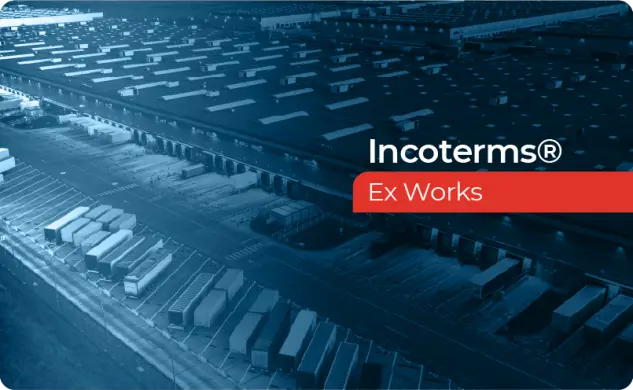
The European Commission recently published a factsheet regarding the use of the Incoterm Ex Works (EXW) in relation to EU sanctions. The message is clear: using EXW does not release a seller from the obligation to comply with sanctions law. For those working in international trade and compliance, this is more than just a caution – it’s a real operational risk. In this article, we explain why the EXW Incoterm creates challenges in the context of sanctions, export control, and VAT. But first, a brief overview of Incoterms® and how EXW works.
This year, Gaston Schul celebrates our 180th anniversary. The story of Gaston Schul is a testament to our enduring commitment to excellence in customs and trade. Since our founding in 1845, we have navigated changing landscapes, embraced innovations, and continuously adapted to meet the evolving needs of our customers.
In today’s increasingly complex global trade environment, businesses face a multitude of challenges that threaten the smooth flow of goods across borders. Fluctuating customs rules, sanctions, and trade disputes create uncertainty, often leading to costly delays and compliance risks. This article explores practical customs strategies to mitigate supply chain disruptions, drawing on the expertise of Gaston Schul, a recognised authority in risk assessment and customs strategy planning.
Article | 3 minute read
As global supply chains grow more complex and deforestation accelerates, the European Union is introducing the EUDR – a new regulation aimed at ensuring that products consumed within the EU do not contribute to deforestation or forest degradation worldwide. As a major economy and importer of deforestation-linked goods, the EU is taking responsibility for reducing the environmental impact of global trade. Whether you’re an operator, trader, or business of any size, the EUDR marks a significant shift in compliance expectations – and it's crucial to understand what it means for your supply chain.
Article | 3.5 minute read
Any economic operator engaged in international trade inevitably faces customs regulations, preferential origin rules, and tariff structures. By reviewing and optimising internal processes, it is often possible to operate more efficiently within the legal framework – resulting in shorter lead times, less administrative hassle, and, in many cases, lower import duties for both the operator and their customers.
News | 1.5 minute read
The UK Government has announced that import checks on medium-risk fruit and vegetables from the EU and Switzerland will not be introduced until at least 31 January 2027. This latest decision is part of a broader move to reduce trade barriers and support a forthcoming UK-EU Sanitary and Phytosanitary (SPS) agreement, which aims to streamline food trade by eliminating routine border checks on plant and animal products.
Press | 2 minute read
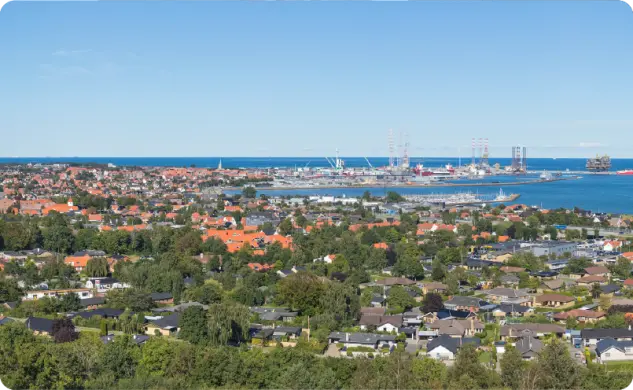
Gaston Schul strengthens its European presence by announcing the upcoming launch of operations in Frederikshavn, Denmark. Enhancing its strategic Nordic coverage and reinforcing its position as Europe's leading independent customs service provider across nine European countries offering a pan-European customs and trade solution.