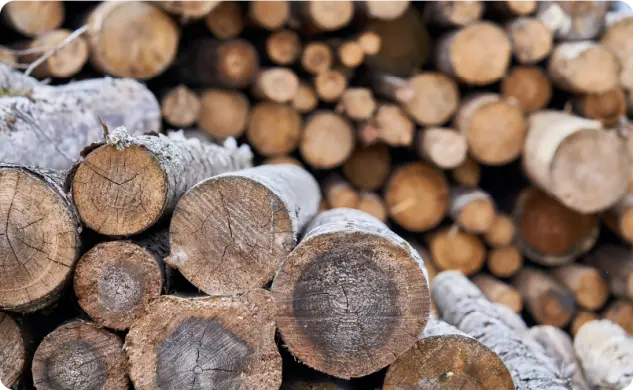
Collect information
Gather the data and documents, including the geolocation of where the commodities were produced, that show your goods are not from deforested land.


The EU Deforestation Regulation requires importers of certain commodities to prove their goods are not linked to deforestation. Here is what it covers, the deadlines, and the due diligence it asks of you, with expert EUDR support behind it whenever you need it.
WHAT IS THE EUDR
The EU Deforestation Regulation (EUDR) is an EU law that stops products linked to deforestation from being placed on, or exported from, the EU market. It affects businesses trading specific agricultural commodities and the products made from them: to move those goods, you have to prove they are deforestation-free and legally produced, backed by a due diligence statement. The obligation follows the commodity, not the and sits alongside your normal customs requirements rather than replacing them.
WHO IS AFFECTED
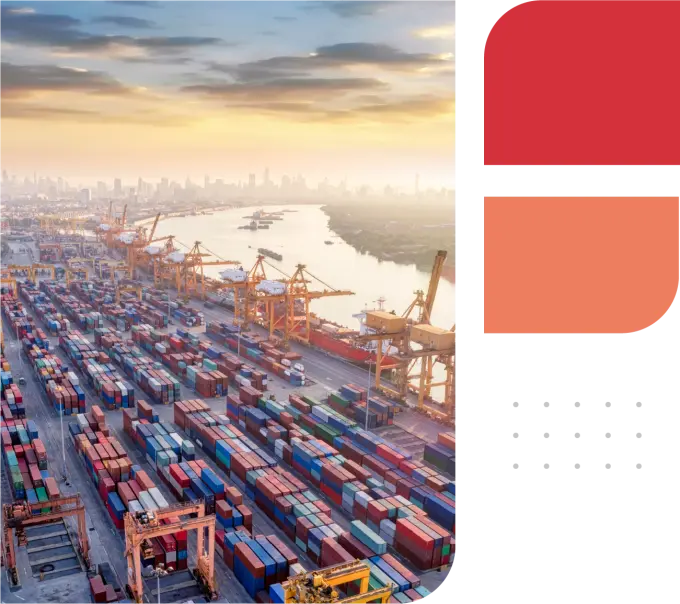
The EUDR applies to operators and traders who place relevant commodities, or products made from them, on the EU market or export them, with the codes in scope listed in Annex I of Regulation (EU) 2023/1115. An operator is any business that does this in the course of trade, including by importing. The goods can only move if they are deforestation-free, legally produced and covered by a due diligence statement. Whether a product is caught comes down to its commodity code and what it contains, which is where a goods check pays off early.
TIMELINE
DUE DILIGENCE
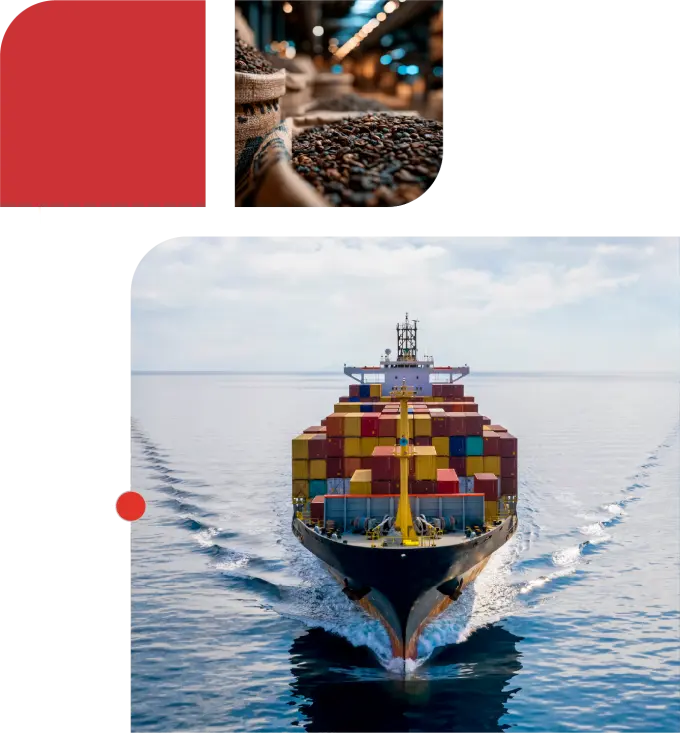
EUDR compliance comes down to a due diligence statement that proves your goods are deforestation-free. Preparing one means working through four steps:
Gather the data and documents, including the geolocation of where the commodities were produced, that show your goods are not from deforested land.
Use that information to judge whether your products carry a risk of being linked to deforestation.
Where the risk is more than negligible, reduce it through further research, supplier surveys, testing or independent audits.
Prepare and submit the statement for your affected products, and keep the supporting information on file for five years.
THE STAKES
The EU has been clear that not knowing the rules will not be accepted as an excuse. Non-compliance can mean:
Up to 4% of your annual EU turnover.
And the supply chain disruption that follows.
A temporary prohibition on trading the affected commodities.
From public procurement and EU funding.
The UK is introducing its own Forest Risk Commodity Regulation (UKFRC), aimed at the same goal of curbing global deforestation. It is similar to the EUDR but differs in scope and implementation, and is still going through the legislative process with no confirmed start date. Businesses trading with both markets, and especially those moving goods to or through Northern Ireland, should track both regimes and prepare for each.
HOW WE HELP
We start with a short call to understand your trade and align our support with what you need.
We confirm your goods are classified correctly and tell you which of them are caught by the EUDR.
You get a clear report showing which of your shipments are affected, so you know your exposure.
We help you set up your EUDR procedures and guide you through gathering the information your due diligence statement needs.
We help you complete and submit the statement, with the data checked for accuracy and compliance.
WHY GASTON SCHUL
We translate the EUDR's requirements, the commodities in scope, the information you must hold and what is coming next, into clear, actionable steps.
Accurate classification and a well-evidenced due diligence statement keep your position defensible, so a gap does not become a 4%-of-turnover problem.
You work with a dedicated customs and trade advisor who knows your business, not a different person each time.
RESOURCES
LATEST EUDR INSIGHTS
GET IN TOUCH
Tell us what you import or export and the commodities involved, and an EUDR specialist will tell you whether your goods are in scope, what your due diligence statement has to show, and how to get ready in time. No obligation, just a clear answer from people who know customs.

EUDR FAQs
The EU Deforestation Regulation stops products linked to deforestation from being placed on, or exported from, the EU market. If you trade certain commodities, you have to prove they are deforestation-free and legally produced, and back that up with a due diligence statement.
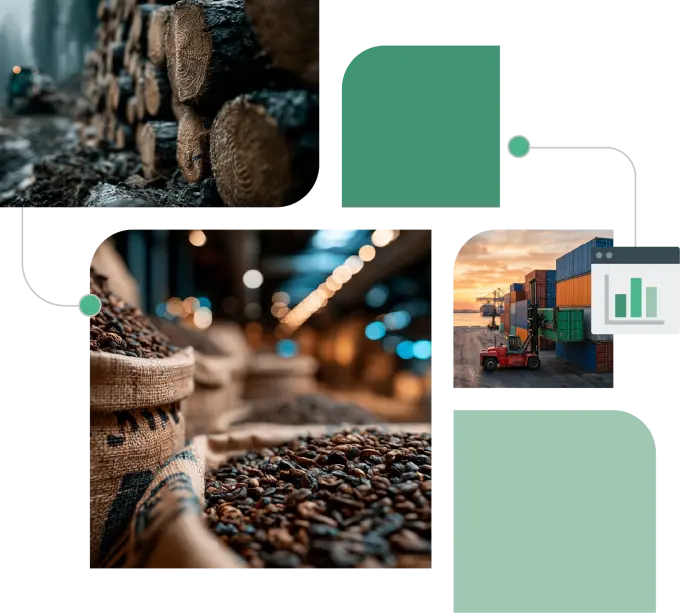
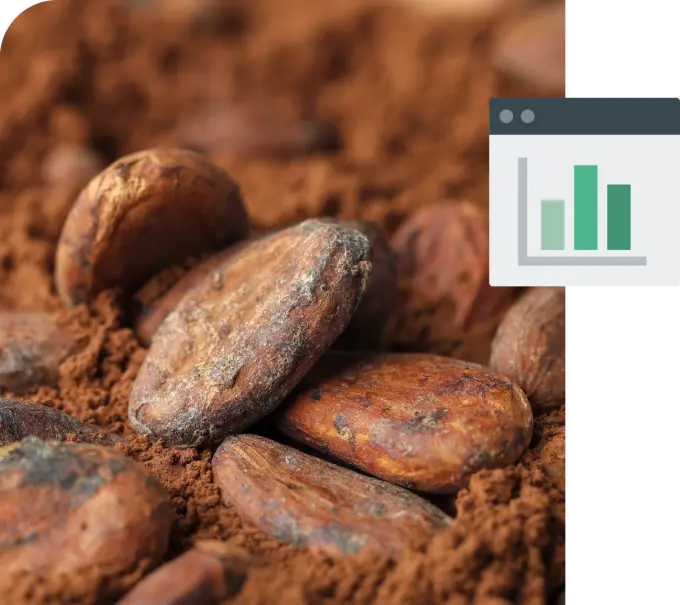
Cattle, cocoa, coffee, oil palm, rubber, soy and wood, and the products derived from them. The exact commodity codes are listed in Annex I of Regulation (EU) 2023/1115, and the area the goods come from does not change whether they are in scope.
The regulation entered into force on 29 June 2023. Based on the current timeline, large businesses must comply from 30 December 2026 and micro and small businesses from 30 June 2027. The dates have moved before, so confirm the latest position with us.
A statement in which you confirm you have exercised due diligence on your goods: collecting the necessary information, assessing the risk that they are linked to deforestation, and mitigating that risk where needed. It is the document that lets your goods move.
Evidence that each product is deforestation-free, was produced in line with the laws of the country of production, and is covered by a due diligence statement, including the geolocation of where the commodities were produced. This information must be kept for five years.
They are significant: fines of up to 4% of your annual EU turnover, confiscation of goods, a temporary ban on trading the affected commodities, and exclusion from public procurement and EU funding. The EU has said ignorance of the rules is not a defence.
Yes. We confirm which of your goods are in scope, build the due diligence process, help you gather the information the statement needs, and support you in completing and submitting it, so the EUDR becomes a managed process rather than a last-minute scramble.