

Discovery call
We start with a short call to understand your imports and align our support with what you actually need.


The Carbon Border Adjustment Mechanism puts a carbon price on certain goods imported into the EU. Here is what it covers, the deadlines that apply, and what you have to report, with expert CBAM support behind it whenever you need it.

The Carbon Border Adjustment Mechanism (CBAM) is an EU regulation that puts a price on the carbon emitted in producing certain goods imported into the EU. EU producers already pay for their carbon under the EU Emissions Trading System, so CBAM applies a matching cost to imports, keeping competition fair and discouraging production from moving to countries with weaker climate rules. If you import goods in scope, you account for their embedded emissions and meet the applicable CBAM certificate obligations. The cost is driven by the carbon content of your goods, so accurate emissions data is a key part of determining your CBAM obligation.
WHO IS AFFECTED
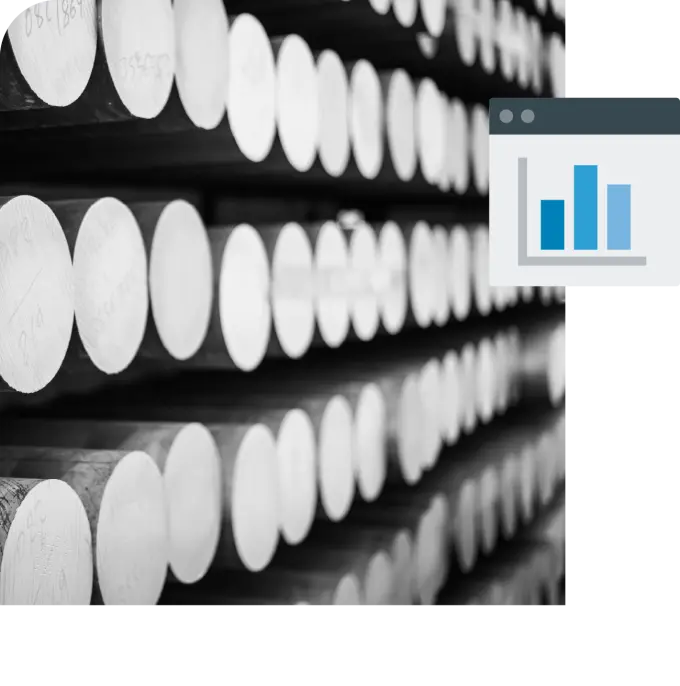
CBAM applies to importers bringing specific carbon-intensive goods into the EU, defined by their CN codes in Annex I of Regulation (EU) 2023/956. If you import them above the applicable threshold, you must register as an authorised CBAM declarant. For iron and steel, aluminium, cement and fertilisers, a cumulative annual 50-tonne threshold now applies. Electricity and hydrogen are not covered by this mass-based threshold. Whether a product is caught comes down to its exact CN code, which is where a goods check pays off early.
TIMELINE

HOW TO PREPARE
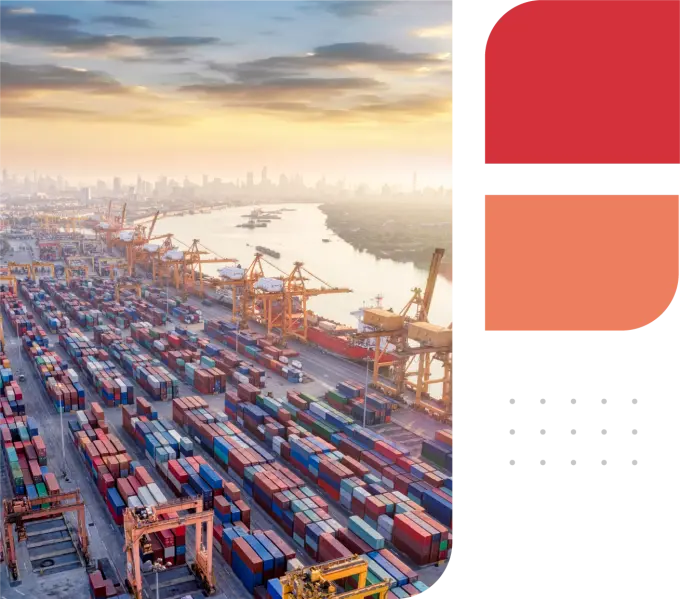
CBAM compliance starts with knowing which goods are in scope and having accurate data on the emissions embedded in them. That means knowing which goods are in scope, gathering the emissions data from your suppliers, registering as a declarant, and putting a repeatable CBAM compliance process in place. Our CBAM checklist walks you through it, and our team can do the work with you.
HOW WE HELP
We start with a short call to understand your imports and align our support with what you actually need.
We confirm your goods are classified correctly and tell you which of them are caught by CBAM, so you know your real exposure.
You get a clear report showing which of your shipments are affected by CBAM, ready to act on.
We help you set up your CBAM procedures and guide you through preparing your annual CBAM declaration.
We support the preparation and submission of your CBAM declaration through the Trader Portal, with the data checked for accuracy and compliance.
WHY GASTON SCHUL
We translate the evolving CBAM rules, the reporting requirements, the goods in scope and what is coming next, into clear, actionable steps.
Accurate classification and accurate emissions data keep your submissions defensible, so a reporting error does not turn into an exposure.
You work with a dedicated customs and trade advisor who knows your business, not a different person each time you call.
RESOURCES
Downloadable guides, checklists, insights and tools delivered straight to your mailbox.
A step-by-step checklist that walks you through the CBAM compliance process, helps you identify the CN codes that apply to your goods, and helps your business meet the requirements of the definitive regime.
LATEST CBAM INSIGHTS
GET IN TOUCH
Tell us what you import and from where, and a CBAM specialist will tell you whether your goods are in scope, what obligations apply, and what you need to do under the definitive regime. No obligation, just a clear answer from people who know customs.

CBAM FAQs
CBAM is an EU carbon price on imports. For certain carbon-intensive goods, you report the emissions embedded in them and, in time, pay for those emissions through CBAM certificates, so imported goods carry a carbon cost comparable to goods made inside the EU.
Currently iron and steel, cement, fertilisers, aluminium, electricity and hydrogen, defined by their CN codes in Annex I of Regulation (EU) 2023/956. Whether a specific product is caught depends on its exact code, which is why a goods check is the safest first step.
If you import covered goods above the applicable threshold, yes. Under the definitive system, only authorised CBAM declarants can import covered goods into the EU, so registration is what keeps those goods moving.
The quantities and embedded emissions of your covered goods, reported annually through the CBAM Registry. The accuracy of that data determines your CBAM position and the number of CBAM certificates you need to surrender.
Incorrect or missing reports can lead to penalties and, under the definitive system, to problems importing covered goods. The risk is usually in the data, the wrong CN code or weak emissions figures, which is exactly what we check.
The definitive CBAM period began on 1 January 2026. Imports made from that date fall under the permanent regime. The first annual declaration and certificate surrender for 2026 imports is due by 30 September 2027.
Yes. We check which of your goods are in scope, build the reporting process, prepare the required CBAM declaration, and submit it through the Trader Portal on your behalf, so CBAM becomes a managed process rather than a scramble each quarter.