
EUDR: EU Deforestation Regulation | Gaston Schul

EU Deforestation Regulation (EUDR) compliance, with confidence.

The EU Deforestation Regulation sets conditions for businesses that place or make available relevant products on, or export them from, the EU market. Which obligations apply depends on the business’s role, size and position in the supply chain. Here is what it covers, the deadlines, and the due diligence it asks of you, with expert EUDR support behind it whenever you need it.


image-eudr-port.png

WHO IS AFFECTED

The commodities, and the operators, in scope.

The EUDR applies to operators and traders who place relevant commodities, or products made from them, on the EU market or export them, with the codes in scope listed in Annex I of Regulation (EU) 2023/1115. An operator is any business that does this in the course of trade, including by importing. Relevant products may be placed or made available on, or exported from, the EU market only if they are deforestation-free, produced in accordance with the relevant legislation of the country of production and covered by the required due diligence documentation. The operator first placing the product on the EU market or exporting it normally performs the due diligence and submits the due diligence statement; downstream operators and traders have lighter traceability and verification obligations. Whether a product is in scope depends on its commodity code and description in Annex I. The country of production does not determine scope, but its low-, standard- or high-risk classification can affect the due diligence procedure and the level of official checks.

  • Cattle
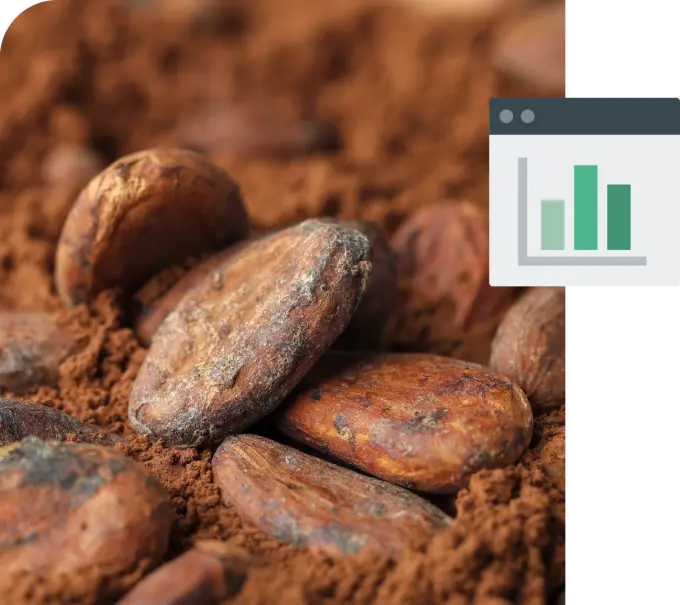
  • Cocoa
  • Coffee
  • Oil palm
  • Rubber
  • Soy
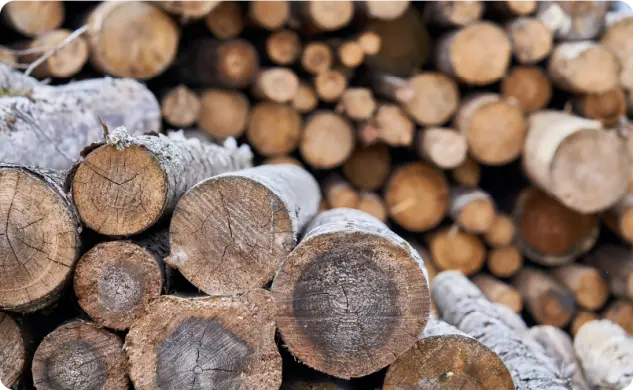
  • Wood

TIMELINE

Where the EUDR is now, and what is coming.

image-eudr-timeline.png
June 2023

EUDR enters into force

The regulation becomes law, starting the countdown to the compliance dates.
December 2026

Large and medium businesses (and certain timber SMEs) must comply

From 30 December 2026, the EUDR applies to large and medium operators and traders. It also applies from this date to micro and small operators dealing in relevant wood products that were already covered by the EU Timber Regulation.
June 2027

Other micro and small businesses must comply

Other micro and small operators have until 30 June 2027. Their duties may differ: primary operators can use a one-time simplified declaration, while downstream businesses have lighter requirements.

THE STAKES

EUDR penalties are serious, and ignorance is no defence.

The EU has been clear that not knowing the rules will not be accepted as an excuse. Non-compliance can mean:

Financial penalties

For legal persons, national rules must provide for a maximum fine of at least 4% of the business’s total annual EU-wide turnover in the financial year preceding the fining decision. The available maximum may therefore exceed 4%.

Goods confiscation

And the supply chain disruption that follows.

A trading ban

For serious or repeated infringements, a temporary prohibition on placing, making available or exporting relevant commodities and products.

Exclusion

Temporary exclusion, for up to 12 months, from public procurement processes and access to public funding, including grants, concessions and tendering procedures.

BEYOND THE EU

The UK is preparing its own version.

The UK government is developing a separate due diligence regime for Great Britain. It aims to introduce legislation in 2027 covering businesses with annual turnover above £1 million that use wood, cattle, cocoa, coffee, palm oil, rubber, soy or specified derived products, although the operational start date has not yet been confirmed. The proposed Great Britain regime is intended to align broadly with the EUDR’s scope and information requirements. The EUDR itself will apply in Northern Ireland, so businesses moving relevant products to or through Northern Ireland must prepare for the EU requirements.

HOW WE HELP

Expert EUDR support, from check to statement.

Discovery call

We start with a short call to understand your trade and align our support with what you need.

EUDR goods check

We confirm your goods are classified correctly and tell you which of them are caught by the EUDR.

Reporting

You get a clear report showing which of your shipments are affected, so you know your exposure.

Advisory

We help you set up your EUDR procedures and guide you through gathering the information your due diligence statement needs.

Submitting the due diligence statement

We help you complete and submit the statement, with the data checked for accuracy and compliance.

WHY GASTON SCHUL

Independent EUDR expertise,
on your side.

Precise compliance management

We translate the EUDR's requirements, the commodities in scope, the information you must hold and what is coming next, into clear, actionable steps.

Reduce risk and penalties

Accurate classification and a well-evidenced compliance process help keep your position defensible, so a gap does not become a serious turnover-based penalty.

A named advisor

You work with a dedicated customs and trade advisor who knows your business, not a different person each time.

RESOURCES

GUIDES & DOWNLOADS


PDF Download

Download your EUDR Checklist

CHECKLIST
PDF Download
Download your EUDR Checklist

A step-by-step checklist covering what you need to know about the EUDR, so you can check your scope, build your due diligence process, and get compliant before the deadlines.

GET IN TOUCH

From EUDR questions to
clear answers.

Tell us what you import or export and the commodities involved, and an EUDR specialist will tell you whether your goods are in scope, what your due diligence statement has to show, and how to get ready in time. No obligation, just a clear answer from people who know customs.


gs-collage-form.png

Gaston Schul

EUDR FAQs

EUDR: frequently asked questions

What is the EUDR in simple terms?

The EU Deforestation Regulation prohibits relevant products from being placed or made available on, or exported from, the EU market unless they are deforestation-free, produced in accordance with the relevant legislation of the country of production and covered by the required due diligence documentation.

Which products are covered by the EUDR?

The EUDR covers cattle, cocoa, coffee, oil palm, rubber, soy and wood, but only the commodities and derived products whose commodity codes and descriptions appear in Annex I of Regulation (EU) 2023/1115. Not every product derived from one of the seven commodities is automatically covered, so the commodity code and Annex I description must both be checked. Country of production does not determine scope, although its risk classification can affect the due diligence procedure.

Product-scope update as at 20 August 2026: the Commission has adopted a Delegated Act that would remove certain products, including cattle hides and leather, retreaded tyres and specified rubber products, and add soluble coffee, certain palm oil derivatives and frozen cattle tongues. The Act remains subject to scrutiny by the European Parliament and the Council before entering into force; newly added products are intended to become subject to the EUDR from 30 December 2027.

When does the EUDR apply?

The Regulation entered into force on 29 June 2023. It applies from 30 December 2026 to large and medium operators and traders and to micro and small operators dealing in relevant wood products already covered by the EU Timber Regulation. It applies from 30 June 2027 to other micro and small operators.

What is a due diligence statement?

A due diligence statement records the operator’s conclusion that it has exercised due diligence and found no risk or only a negligible risk that the relevant products are non-compliant. The statement does not itself prove compliance: the underlying supply-chain information, geolocation data, legality evidence, risk assessment and any risk-mitigation measures provide the supporting substantiation. Micro and small primary operators may use a one-time simplified declaration instead.


What information do I have to hold?

The records required depend on your role in the supply chain. An upstream operator must generally hold information identifying the products and suppliers, the country of production, quantities, production dates or periods, geolocation data, evidence of legal production and the records supporting its risk assessment and any mitigation. Downstream businesses must hold the reference and traceability information required for their role. Applicable records must generally be retained for five years.

What are the penalties for non-compliance?

Penalties are set by Member States and must be effective, proportionate and dissuasive. For legal persons, national rules must provide for a maximum fine of at least 4% of total annual EU-wide turnover in the preceding financial year. Other possible penalties include confiscation of relevant products or revenues, temporary exclusion from public procurement and public funding, and temporary trading prohibitions for serious or repeated infringements.

Can Gaston Schul handle EUDR for us?

Yes. We confirm which of your goods are in scope, build the due diligence process, help you gather the information the statement needs, and support you in completing and submitting it, so the EUDR becomes a managed process rather than a last-minute scramble.