

Understand your exposure
We review your UK imports, commodity classifications and affected supply chains to help establish which goods may fall within UK CBAM and where obligations may arise.


From 1 January 2027, UK CBAM will introduce new tax, reporting and record-keeping obligations for certain carbon-intensive imports. Find out whether your goods are affected and what your business needs to prepare.

The UK Carbon Border Adjustment Mechanism, or CBAM, is a new tax on the embodied emissions of certain carbon-intensive goods imported into the UK. Taking effect from 1 January 2027, it is designed to ensure that imported goods face a carbon price comparable to that paid by UK producers, helping to reduce the risk of carbon-intensive production moving to countries with lower or no carbon pricing.
For businesses importing goods in scope, preparation starts with identifying which goods are affected, who is liable for CBAM, whether imports reach the registration threshold, and what emissions information will be needed.
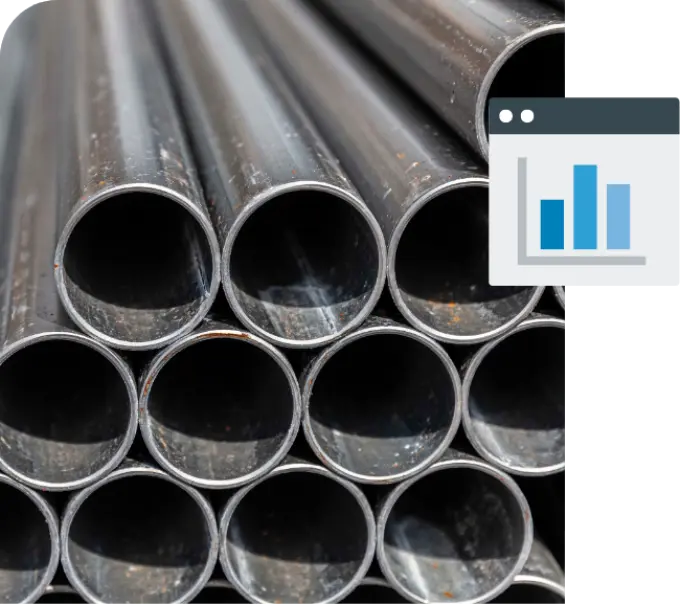
WHO IS AFFECTED
UK CBAM applies to specific carbon-intensive goods imported into the UK, identified by their commodity codes. The liable person will be the importer for UK CBAM purposes. Where a customs declaration is made on behalf of another person, the liable person is the person on whose behalf the declaration is made. If the total value of your CBAM goods reaches the £50,000 registration threshold, you must register with HMRC.
Whether a product is in scope depends on its commodity classification. The £50,000 threshold is assessed on an ongoing basis using two tests: whether you expect to reach it within the next 30 days, and whether the value of CBAM goods imported over the preceding rolling 12-month period has reached the threshold. During 2027, the look-back period only extends to 1 January 2027.
TIMELINE

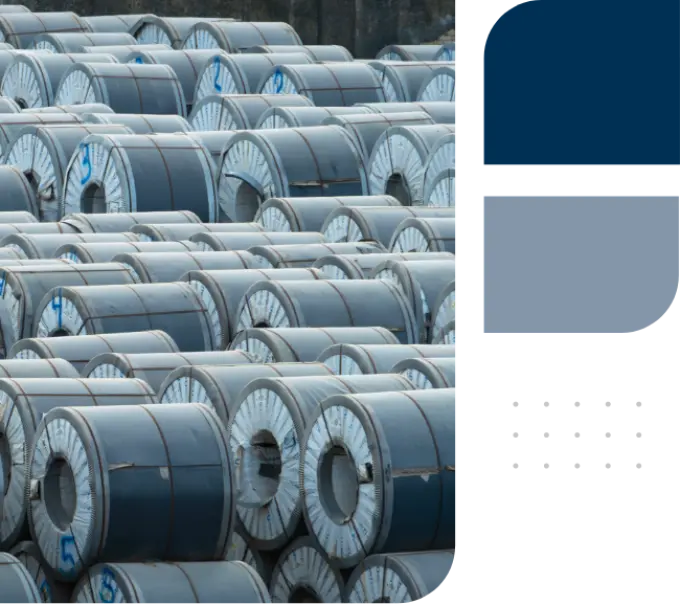
HOW TO PREPARE
UK CBAM preparation starts with knowing which goods are in scope, whether your imports could reach the £50,000 registration threshold, and who is responsible for the obligations. From there, businesses need to consider emissions data, supplier engagement and the records and processes needed for reporting. Where actual emissions data is used, it will need to meet the relevant monitoring and verification requirements.
Our UK CBAM readiness checklist takes you through the key steps, from assessing your exposure and preparing your data to getting your business ready for the first reporting period.
HOW WE HELP
We review your UK imports, commodity classifications and affected supply chains to help establish which goods may fall within UK CBAM and where obligations may arise.
We help review the customs information that UK CBAM depends on, including classification, importer details, customs value, net weight, origin and customs procedures, and identify areas that may need attention.
We help you identify the relevant suppliers and producing installations and prepare for the emissions information you will need from them.
We help establish the responsibilities, records and controls needed to manage UK CBAM as part of your customs and trade compliance processes.
We help you put the foundations in place for managing UK CBAM, so your customs data, supplier information, records and internal processes are ready when the regime takes effect.
WHY GASTON SCHUL
UK CBAM starts with the goods you actually import. We bring together commodity classification, import flows and regulatory requirements to help establish where your exposure sits and what needs attention.
CBAM depends on information from customs declarations, suppliers and emissions data. Putting the right process in place early gives you time to identify and address gaps before reporting begins.
CBAM does not sit in isolation. The customs data behind your imports helps determine your CBAM position, from commodity classification and importer details to value, net weight, origin and customs procedures. Our customs and trade specialists bring those pieces together.
You work with a customs and trade advisor familiar with your imports and requirements, giving you a consistent point of contact as UK CBAM develops.
RESOURCES
Downloadable guides, checklists, insights and tools delivered straight to your mailbox.
A practical step-by-step resource to help you assess your exposure, prepare the information you need and check your readiness for 2027.
LATEST CBAM INSIGHTS
GET IN TOUCH
Not sure whether your imports fall within UK CBAM? Tell us what you import into the UK and where it comes from. Our customs and trade specialists can help you identify which goods may be in scope, assess where your exposure sits and determine what your business needs to prepare.

CBAM FAQs
UK CBAM takes effect on 1 January 2027.
Currently aluminium, cement, fertiliser, hydrogen, iron and steel. The goods in scope are defined by their commodity classification. You can check the relevant codes in HMRC's UK CBAM goods guidance. Whether a specific product is caught depends on its exact classification, which is why a goods check is the safest first step.
The liable person is the importer of the CBAM goods. Generally, this is the person named on the customs declaration or the person on whose behalf the declaration is made.
The £50,000 minimum registration threshold refers to the value of CBAM goods, not the amount of CBAM tax due. Both a forward-looking 30-day test and a backward-looking 12-month test apply.
Broadly, the CBAM charge is calculated using the embodied direct emissions of the imported goods and the applicable CBAM rate. Where eligible, Carbon Price Relief can reduce the liability where an effective carbon price has already been paid overseas.
If you want to use actual emissions data, you will need relevant emissions intensity data from the producer and that data must meet the applicable verification requirements. Government-determined default emissions values can also be used.
No. Although both mechanisms put a carbon price on certain imported goods, UK CBAM and EU CBAM are separate regimes, with different scope, thresholds, administration and compliance requirements. Businesses trading into both markets should assess their obligations separately. Read our article on the key differences between UK CBAM and EU CBAM, or explore our EU CBAM guidance for more information on the EU regime.
The first accounting period runs from 1 January to 31 December 2027. The first return and payment are due by 31 May 2028.
HMRC requires relevant CBAM records to be retained for six years after the end of the accounting period to which the goods relate.
A liable person can appoint a tax agent to submit CBAM returns on their behalf. The agent cannot register the liable person for CBAM and the underlying CBAM liability remains with the liable person.
UK CBAM information reflects legislation and HMRC guidance available as of September 2026 and may be updated as further guidance is published.